

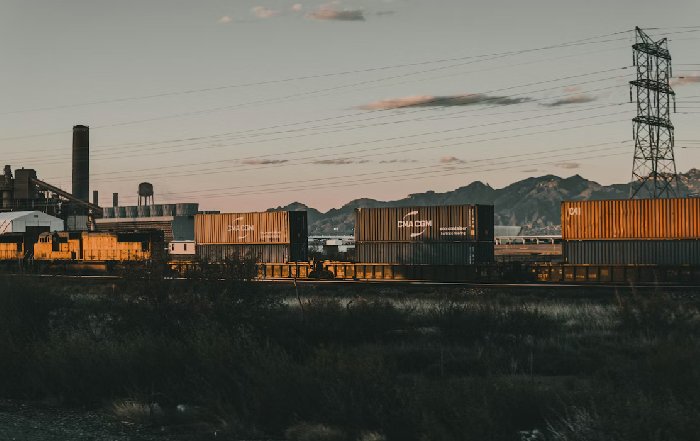
How Global Supply Chain Shifts Are Impacting the US Economy
Introduction: A New Supply Chain Era for the United States
The United States finds itself at the center of a profound reconfiguration of global supply chains, shaped by the lingering aftershocks of the dam COVID pandemic, geopolitical realignments, rapid technological innovation and an accelerating push toward resilience and sustainability. What began as an urgent response to disruption has matured into a structural transformation that is redefining trade patterns, industrial strategy, labor markets and investment flows. For the business community that turns to upbizinfo.com for forward-looking analysis, understanding how these shifts are reshaping the US economy is no longer optional; it is a prerequisite for competitive survival and long-term growth.
Executives, investors and policymakers are confronting a landscape in which traditional assumptions about low-cost offshoring, just-in-time inventory and concentrated production hubs are under sustained pressure. The convergence of reshoring, nearshoring, friendshoring and digitalization is producing a more complex but potentially more robust global system. Those who engage deeply with these dynamics, who monitor developments in global business and trade and who integrate data-driven insight into their strategies, will be best positioned to navigate the emerging order.
From Just-in-Time to Just-in-Case: The Strategic Reassessment
For decades, US companies optimized their supply chains primarily for cost efficiency, following guidance from global consulting firms and academic research that extolled lean inventories, extended supplier networks and heavy reliance on manufacturing hubs in East and Southeast Asia. However, the disruptions of 2020-2022, ranging from factory shutdowns in China to port congestion in California and semiconductor shortages affecting Ford, General Motors and other major manufacturers, exposed the fragility of this model and prompted a fundamental reassessment.
Organizations across sectors now increasingly balance efficiency with resilience, incorporating redundancy, multi-sourcing and regional diversification into their operating models. Analysts at the World Bank note that global trade volumes have remained resilient even as trade patterns shift, and business leaders who follow evolving economic trends recognize that the question is not whether globalization is ending, but what form the next phase will take. Learn more about evolving perspectives on trade and production from the World Trade Organization.
The US economy is directly affected by this shift in mindset. Capital expenditure is tilting toward domestic and regional production, inventory levels are structurally higher than a decade ago and working capital requirements have increased, with implications for corporate balance sheets, banking relationships and overall financial stability. As companies reassess their risk appetite, they are increasingly turning to data-rich platforms like upbizinfo.com to interpret these changes in the context of broader markets and investment strategies.
Reshoring, Nearshoring and Friendshoring: Redrawing the Production Map
One of the most visible manifestations of supply chain reconfiguration is the rise of reshoring, nearshoring and friendshoring, which together are redrawing the geography of global production. The Reshoring Initiative and similar organizations have documented a steady increase in announcements of manufacturing operations returning to the United States, particularly in sectors such as semiconductors, electric vehicles, batteries, pharmaceuticals and advanced machinery. Readers tracking US business transformation increasingly encounter case studies of companies that once relied heavily on East Asian production but are now investing in facilities in Texas, Ohio, Arizona and other states.
Nearshoring to Mexico and other Latin American economies has also accelerated, supported by the United States-Mexico-Canada Agreement (USMCA) and growing investor interest in diversified North American supply chains. Analysis from the Inter-American Development Bank highlights how Mexico, Brazil and other regional players are attracting manufacturing and logistics investment as companies seek to reduce lead times and geopolitical exposure while maintaining cost competitiveness. Those who want to explore how nearshoring is changing regional trade can review data from the Inter-American Development Bank.
Friendshoring, a term popularized by US and European policymakers, reflects the desire to concentrate supply chains in countries with aligned political and economic systems. This has implications across Europe and Asia, where partners such as Japan, South Korea, Singapore and Australia are strengthening ties with the United States in critical sectors including semiconductors, critical minerals and clean energy technologies. The OECD has provided extensive analysis on how such realignments are influencing productivity, trade and industrial policy; interested readers can explore this perspective through the OECD's trade and globalisation resources.
For US businesses, these shifts create both opportunities and risks. Companies that move aggressively to secure reliable, politically stable supply networks can gain a competitive edge, but they must also manage higher labor and regulatory costs, as well as complex cross-border compliance requirements. Platforms like upbizinfo.com serve as a bridge between macroeconomic developments and practical decision-making, helping leaders interpret these trends through the lens of investment strategy and operational execution.
Technology as the Backbone of the New Supply Chain
The transformation of global supply chains is inseparable from the rapid advance of digital technologies, especially artificial intelligence, automation, robotics and advanced analytics. By 2026, leading manufacturers, logistics providers and retailers are increasingly integrating AI-driven forecasting, digital twins and real-time tracking into their operations, enabling them to anticipate disruptions, optimize routing and dynamically adjust production schedules. Executives seeking to understand these breakthroughs often turn to AI-focused resources that connect emerging technologies with concrete business outcomes.
Major technology companies such as Microsoft, Amazon Web Services and Google Cloud have expanded their supply chain and logistics offerings, providing cloud-based platforms that integrate data from suppliers, carriers and customers across multiple continents. These tools leverage machine learning models trained on vast datasets, including historical shipment records, weather patterns and geopolitical indicators, to provide probabilistic risk assessments and scenario planning. Those interested in the broader context of AI adoption can consult the OECD's AI policy observatory and the World Economic Forum's insights on digital supply chains, accessible through the World Economic Forum's platform on advanced manufacturing.
For the US economy, the deployment of these technologies has several important consequences. First, it raises productivity in logistics and manufacturing, supporting higher output with fewer delays and more efficient resource use. Second, it changes the skills profile of the workforce, increasing demand for data scientists, industrial engineers, robotics technicians and cybersecurity specialists, while reducing the need for some routine manual roles. Third, it opens the door to new business models, including on-demand manufacturing, hyper-localized production and integrated "control tower" operations spanning continents. As firms adopt these innovations, they rely on trusted analysis from upbizinfo.com and other specialized platforms to interpret the implications for employment and job markets across the United States and beyond.
Labor Markets, Skills and the Future of Work
The reconfiguration of supply chains is deeply intertwined with changes in the US labor market, affecting not only where jobs are located but what skills they require and how they are compensated. Reshoring and nearshoring are contributing to a modest revival of manufacturing employment in certain regions, particularly in the Midwest and the South, where new facilities in semiconductors, electric vehicles and clean energy components are being built with support from federal and state incentives. The US Bureau of Labor Statistics has documented growth in advanced manufacturing roles even as traditional assembly-line positions remain under pressure; those interested in the data can review insights via the Bureau of Labor Statistics.
However, the new manufacturing landscape is far more technology-intensive than the one that characterized the late twentieth century. Automation and robotics, often integrated with AI systems, mean that each facility can produce more with fewer workers, while requiring higher levels of technical competency. This puts pressure on the US education and training system, from community colleges to university engineering programs and corporate upskilling initiatives. Organizations such as MIT and Carnegie Mellon University have become prominent in developing advanced manufacturing curricula and research partnerships with industry, and their public resources on robotics and digital manufacturing, accessible through institutions like MIT's Industrial Performance Center, inform both policymakers and practitioners.
The geographic redistribution of jobs also poses challenges. Communities that benefit from new investments may experience wage growth, infrastructure upgrades and population inflows, while regions that lose legacy supply chain roles may face persistent unemployment or underemployment. Business leaders and policymakers who follow US jobs and labor trends must therefore consider not only aggregate employment numbers but also regional disparities and the social implications of transition. The International Labour Organization provides a global lens on these issues, including the impact of technology and trade on work, which can be explored through the ILO's Future of Work initiative.
For executives relying on upbizinfo.com as a strategic resource, the key insight is that supply chain decisions are inherently labor decisions. Choices about plant location, supplier selection and automation levels will shape the composition of the US workforce for years to come, influencing everything from wage dynamics and consumer demand to political sentiment and regulatory priorities.
Inflation, Monetary Policy and Financial Stability
Global supply chain shifts have had a pronounced impact on US inflation dynamics and monetary policy, particularly in the first half of the 2020s. The initial wave of disruptions contributed to sharp increases in the prices of goods ranging from automobiles to electronics and household appliances, prompting the Federal Reserve to undertake one of the most aggressive tightening cycles in decades. While many of the pandemic-era bottlenecks have eased by 2026, the structural reorientation of supply chains toward resilience and regionalization continues to influence cost structures and price levels.
Reshoring and nearshoring often entail higher production costs than offshoring to low-wage economies, at least in the short to medium term, especially when combined with investments in redundancy, inventory buffers and cybersecurity. These costs can feed into consumer prices unless offset by productivity gains from automation and process optimization. Analysts at the International Monetary Fund have examined how geoeconomic fragmentation and friendshoring could raise global inflationary pressures and reduce long-term growth potential; readers can explore these perspectives through the IMF's research on geoeconomic fragmentation.
For the US financial system, the changing structure of supply chains also affects corporate borrowing needs, trade finance demand and bank risk profiles. Higher capital expenditure on domestic and regional facilities increases demand for long-term financing, while more complex multi-jurisdictional supply chains require sophisticated risk management and hedging solutions. Institutions such as JPMorgan Chase, Bank of America and Citigroup have expanded their advisory and financing services for supply chain restructuring, drawing on global research and partnerships with multilateral organizations. Business leaders following banking and financial sector developments must therefore integrate supply chain considerations into their assessments of credit conditions, capital allocation and macroeconomic outlooks.
Platforms like upbizinfo.com serve an important role in translating these macro-financial linkages into accessible insights for executives and investors, helping them understand how decisions about sourcing, production and logistics can influence interest rates, currency movements and asset valuations across US and global markets.
Strategic Implications for US Businesses, Founders and Investors
For established corporations, emerging founders and institutional investors, the reconfiguration of global supply chains presents a complex mix of strategic risks and opportunities. Large multinationals must reevaluate their global footprints, renegotiate supplier contracts, invest in digital visibility tools and build more resilient logistics networks. Mid-sized firms, often with less bargaining power and technological capacity, must decide whether to align with larger ecosystem players, invest in niche capabilities or specialize in certain segments of the value chain. Entrepreneurs and founders, whose journeys are often tracked by readers of upbizinfo.com's founders coverage, can identify white spaces created by disruption, ranging from specialized freight platforms to AI-driven procurement tools and regional manufacturing-as-a-service models.
Investors face a similarly nuanced landscape. Private equity and venture capital firms are increasingly drawn to companies that enable supply chain resilience, including warehouse automation providers, logistics technology startups, advanced materials firms and cybersecurity vendors focused on industrial systems. Public market investors must reassess sectoral exposures, recognizing that companies with transparent, diversified and technologically advanced supply chains may warrant valuation premiums relative to peers that remain vulnerable to shocks. The Harvard Business Review and other leading business publications have highlighted how supply chain resilience is becoming a core component of corporate strategy and investor due diligence; readers can explore strategic perspectives via Harvard Business Review's operations and supply chain insights.
For the audience of upbizinfo.com, which spans corporate leaders, founders, professionals and analysts across the United States, Europe, Asia and other key regions, the crucial takeaway is that supply chain strategy is now central to overall business strategy. Decisions about where to source components, how to structure logistics and which technologies to deploy are no longer operational details delegated to procurement teams; they are board-level issues with direct implications for competitiveness, profitability and long-term resilience. By integrating insights from business strategy resources, technology developments and global economic analysis, decision-makers can craft more robust and adaptive approaches to the evolving environment.
Sustainability, ESG and the Green Supply Chain
Another powerful force reshaping global supply chains and their impact on the US economy is the rise of sustainability and environmental, social and governance (ESG) standards. Regulators, investors and consumers across North America, Europe and Asia are demanding greater transparency regarding emissions, labor practices and resource use throughout the value chain, compelling companies to rethink sourcing, manufacturing and logistics decisions. The United Nations Environment Programme and organizations such as the World Resources Institute have developed frameworks for measuring and reducing supply chain emissions, particularly Scope 3 emissions that occur upstream and downstream of a company's direct operations; readers can learn more about sustainable business practices through resources like the World Resources Institute.
For US companies, aligning supply chain strategies with sustainability objectives can unlock access to green financing, enhance brand reputation and reduce long-term regulatory risk. However, it also requires investment in traceability technologies, supplier audits, renewable energy procurement and circular economy initiatives. Sectors such as fashion, consumer electronics and automotive are under particular scrutiny, with European regulations such as the EU Corporate Sustainability Reporting Directive (CSRD) and due diligence requirements influencing global practices. Those interested in regulatory developments and their supply chain implications can review updates from the European Commission.
The integration of ESG considerations into supply chain management affects the US economy by steering capital toward lower-carbon infrastructure, clean technologies and sustainable logistics solutions, including electric fleets and optimized shipping routes. It also shapes trade relationships, as countries and regions with robust sustainability standards and reliable enforcement become more attractive partners in a world increasingly attentive to climate risk. Readers of upbizinfo.com who follow sustainable business and lifestyle trends can see how these shifts intersect with consumer behavior, regulatory policy and corporate strategy across multiple industries.
Geopolitics, Security and the Fragmentation Risk
Global supply chain shifts cannot be fully understood without considering the geopolitical context that has intensified over the past decade. Strategic competition among major powers, particularly between the United States and China, has led to export controls, tariffs, investment restrictions and technology bans in sectors deemed critical for national security, including semiconductors, telecommunications equipment and advanced manufacturing tools. The Council on Foreign Relations and similar institutions have provided extensive analysis of how these tensions are reshaping global economic architecture; readers can explore geopolitical perspectives via the Council on Foreign Relations.
For the US economy, these developments carry both defensive and offensive dimensions. On the defensive side, policymakers and businesses must reduce dependence on single-country suppliers for critical inputs such as rare earth elements, advanced chips and pharmaceutical ingredients. On the offensive side, the United States seeks to strengthen alliances with partners in Europe, Asia and the Americas to build secure, interoperable and innovation-driven supply networks. Initiatives such as the US-EU Trade and Technology Council and the Quad partnership with Japan, India and Australia exemplify efforts to coordinate standards, investments and research in key technologies. Those interested in the broader geopolitical-economic landscape can consult resources from the Brookings Institution.
The risk of fragmentation, in which the global economy divides into competing blocs with limited interoperability, poses a significant challenge. While some degree of diversification and friendshoring can enhance resilience, excessive fragmentation could increase costs, reduce innovation diffusion and slow global growth. For US businesses and investors who rely on upbizinfo.com for nuanced analysis, the imperative is to navigate this environment by building flexible, multi-path supply chains that can adapt to shifting regulatory and political conditions, while maintaining access to key markets in Europe, Asia, North America and beyond.
The Role of Digital Information Platforms in a Volatile Landscape
In this complex environment, where global supply chain shifts intersect with AI, finance, labor markets, sustainability and geopolitics, the need for reliable, timely and analytically rigorous information has never been greater. Platforms like upbizinfo.com play a critical role by curating and synthesizing developments across AI, banking, crypto and digital assets, employment, technology and other domains that collectively shape the business environment.
By presenting global trends through the lens of practical decision-making and connecting macroeconomic signals with sector-specific implications, upbizinfo.com offers its audience a trusted vantage point from which to interpret the ongoing reconfiguration of supply chains. Whether a reader is a manufacturing executive in the United States, a fintech founder in the United Kingdom, an investor in Germany, a supply chain strategist in Singapore or a policy analyst in Brazil, the ability to connect disparate signals into a coherent picture is essential for crafting robust strategies. Complementary resources from organizations such as the World Bank, accessible via the World Bank's global economic monitoring, and the World Economic Forum add further depth, but it is the integration and contextualization provided by specialized platforms that often determine how effectively leaders can act.
Conclusion: Getting Ready for Resilience and Growth Now Beyond
The global supply chain shifts of the mid-2020s are not a temporary disturbance but a structural evolution that will shape the trajectory of the US economy for years to come. As production footprints are redrawn, technologies deployed, labor markets reshaped and geopolitical alliances recalibrated, the fundamental question for business leaders and investors is how to position themselves for resilience and growth in an environment characterized by both volatility and opportunity.
For the audience of upbizinfo, the path forward involves combining rigorous analysis with strategic agility. It requires monitoring developments in global markets and economic policy, understanding the interplay between supply chains and employment dynamics, leveraging technology and AI to enhance visibility and efficiency, and integrating sustainability and geopolitical risk into core business planning. Those who succeed will not be those who seek a return to the pre-2020 status quo, but those who embrace the new reality of diversified, digitally enabled and strategically aligned supply networks. In this context, the mission of upbizinfo.com is to serve as a reliable compass, helping its global readership interpret the shifting currents of trade, technology and policy that define the present era. By providing authoritative, trustworthy and experience-grounded insights, it supports decision-makers in the United States and around the world as they navigate one of the most consequential transformations in modern economic history.