

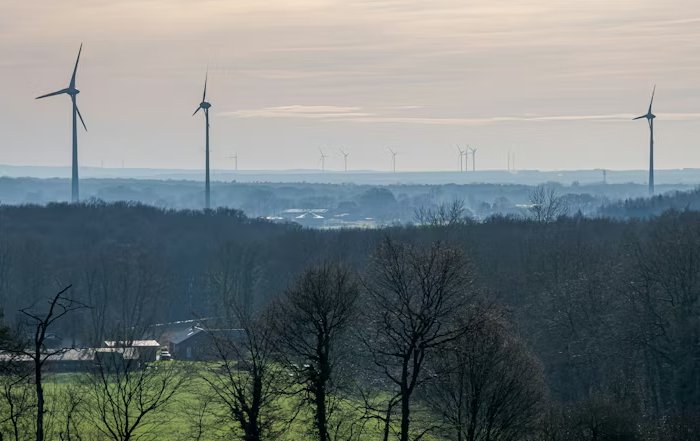
The Green Economy and New Jobs: How the Transition Is Reshaping Work in 2026
The Green Transition Moves From Promise to Execution
By 2026, the green economy has shifted from a visionary concept to an operational reality that is reshaping investment flows, employment patterns, and competitive advantage across regions and industries. Governments, investors, and enterprises now treat decarbonization, circularity, and resource efficiency not as optional corporate social responsibility initiatives but as core strategic imperatives that determine access to capital, market share, and talent. For the global business community that follows upbizinfo.com, the question is no longer whether the green transition will create new jobs, but rather where, how fast, and under what conditions those jobs will emerge, and which organizations will be best positioned to capture them.
The acceleration of climate policies, such as the European Union's Green Deal and the expansion of clean energy incentives in the United States, has combined with market forces, technological breakthroughs, and shifting consumer expectations to create a new industrial landscape. Executives and founders who once viewed sustainability as a cost center are now examining how green investments can unlock new revenue streams, lower long-term operating expenses, and strengthen resilience in a volatile global economy. At the same time, labor markets in Europe, Asia, North America, and beyond are confronting the dual challenge of matching workers to emerging green roles while managing the social and economic disruption of legacy industries in decline.
For decision-makers seeking to navigate this transition, understanding the structure of the green economy, the nature of the jobs it creates, and the evolving policy and market context is now a prerequisite for sound strategy. Resources such as upbizinfo's business insights are increasingly used by leaders who need concise, actionable intelligence on how sustainability, technology, and employment intersect in a rapidly changing environment.
Defining the Green Economy in a Business Context
The term "green economy" is often used broadly, but in a business and employment context it refers to economic activities that reduce environmental risks and ecological scarcities while promoting sustainable development, efficient resource use, and social inclusion. This encompasses not only obvious sectors such as renewable energy, electric mobility, and energy-efficient construction, but also the transformation of traditional industries such as manufacturing, banking, agriculture, logistics, and consumer goods through cleaner technologies and more sustainable practices.
Organizations such as the Organisation for Economic Co-operation and Development (OECD) have outlined frameworks that connect green growth with productivity, innovation, and competitiveness, and business leaders can explore these perspectives on green growth to better understand how environmental and economic objectives can align. Similarly, the United Nations Environment Programme (UNEP) has highlighted how green investments can generate employment while advancing climate and biodiversity goals, and executives can review UNEP's work on the green economy to benchmark their own strategies against global best practice.
For the audience of upbizinfo.com, which spans AI, banking, crypto, employment, and technology, the green economy is particularly relevant because it cuts across all these domains. Financial institutions are redesigning products to fund sustainable infrastructure, technology firms are deploying AI and data analytics to optimize energy systems, and founders are building new ventures in climate tech, circular materials, and regenerative agriculture. Readers who follow upbizinfo's economy coverage can see how these developments are influencing macroeconomic trends, trade flows, and national competitiveness from the United States and United Kingdom to Germany, Canada, Australia, and emerging markets in Asia, Africa, and South America.
Global Policy, Capital, and Market Drivers in 2026
The expansion of the green economy and its associated jobs is being propelled by a convergence of policy, capital, and market dynamics. On the policy side, national governments and regional blocs have introduced more stringent climate targets, carbon pricing mechanisms, and reporting requirements, which are influencing corporate strategies and supply chain decisions. The International Energy Agency (IEA) provides detailed scenarios that show how different policy pathways affect energy systems and employment, and business leaders can examine IEA's clean energy transition analysis to gauge the implications for their sectors.
At the same time, private capital has shifted decisively toward sustainable assets. Large institutional investors, sovereign wealth funds, and asset managers are integrating environmental, social, and governance criteria into their allocation decisions, while sustainability-linked loans and green bonds have become mainstream instruments in global financial markets. Data from organizations such as MSCI and Morningstar show that sustainable funds have attracted significant inflows, and executives seeking to understand this shift can learn more about sustainable investing trends to align their corporate financing strategies. For founders and investors who turn to upbizinfo's investment coverage, the message is clear: capital is increasingly favoring business models that can demonstrate credible decarbonization pathways and climate resilience.
Market demand is reinforcing these trends. Corporate customers and consumers in regions such as Europe, Japan, South Korea, Canada, and New Zealand are placing greater value on low-carbon products, transparent supply chains, and responsible sourcing, while regulatory initiatives like the EU's Carbon Border Adjustment Mechanism are beginning to embed climate considerations into trade. Firms that fail to adapt risk losing access to key markets, facing higher financing costs, or encountering reputational damage. For global executives, monitoring developments through platforms such as the World Economic Forum's climate initiatives has become part of routine strategic planning.
Where the New Green Jobs Are Emerging
The expansion of the green economy is manifesting in a diverse range of job categories that span high-skill technical roles, mid-skill operational positions, and new forms of entrepreneurial activity. Clean energy remains one of the most visible engines of employment growth, with solar, wind, and grid modernization projects generating roles in engineering, construction, maintenance, and project finance across the United States, China, India, Brazil, and Europe. The International Renewable Energy Agency (IRENA) has documented millions of jobs in renewables and expects continued growth as countries pursue net-zero targets; executives can review IRENA's renewable energy employment data to identify regional hotspots and supply chain opportunities.
Beyond energy generation, energy efficiency and building retrofits are creating substantial employment in advanced economies such as Germany, France, Italy, Spain, the Netherlands, and the Nordic countries, where aging building stock requires upgrades to meet new performance standards. Roles in building performance analysis, HVAC optimization, and smart controls integration are in high demand, particularly where governments have introduced incentives or mandates for renovation. Readers interested in how these trends intersect with real estate, finance, and construction can follow upbizinfo's markets coverage, which tracks sectoral shifts in response to policy and technology change.
Electric mobility is another major source of new jobs. The rapid adoption of electric vehicles in the United States, China, and Europe has spurred demand for battery manufacturing, charging infrastructure deployment, software for fleet management, and recycling of critical minerals. Companies such as Tesla, BYD, and Volkswagen are expanding their EV operations, while new entrants and suppliers are entering the ecosystem, particularly in South Korea, Japan, and Thailand, where automotive supply chains are strong. Business leaders can explore the International Council on Clean Transportation's EV research to understand the regulatory and technological factors shaping this market.
The circular economy is also becoming a significant source of employment, particularly in Europe and Asia, where regulations and consumer expectations are driving companies toward reuse, repair, and recycling models. Jobs are emerging in materials innovation, waste-to-resource technologies, and reverse logistics. Meanwhile, sustainable agriculture and nature-based solutions are generating roles in regenerative farming, ecosystem restoration, and climate-resilient food systems across Africa, Latin America, and Asia, supported by organizations such as the Food and Agriculture Organization (FAO), whose work on sustainable agriculture and food systems offers valuable insights for agribusiness leaders and policymakers.
AI and Digital Technologies as Multipliers of Green Employment
A defining feature of the green economy in 2026 is the central role of AI, data analytics, and digital platforms in enabling and scaling sustainable solutions. Far from being a separate domain, the AI revolution is deeply intertwined with the green transition, and readers of upbizinfo's AI analysis will recognize that many of the most promising applications of machine learning and automation are now focused on optimizing energy use, predicting equipment failures, managing distributed resources, and improving climate risk modeling.
Leading technology companies such as Google, Microsoft, and Amazon Web Services are deploying AI to increase data center energy efficiency, integrate more renewable energy into their operations, and provide cloud-based tools that help customers measure and reduce emissions. Business and technology professionals can learn more about AI for sustainability to understand how advanced analytics can support both operational improvements and new service offerings. Start-ups in Singapore, Sweden, Norway, and Denmark are building AI-driven platforms for grid flexibility, building management, and industrial process optimization, generating new roles for data scientists, software engineers, and domain experts who can translate sustainability goals into algorithmic solutions.
Digitalization is also transforming how green projects are financed and monitored. In banking and capital markets, AI-enhanced risk models and climate scenario tools are helping lenders and investors evaluate the resilience of assets and portfolios, while digital platforms are streamlining green bond issuance and sustainability-linked lending. Financial professionals who follow upbizinfo's banking coverage can see how banks in London, New York, Frankfurt, Zurich, Singapore, and Hong Kong are integrating climate data into credit decisions and product design, thereby creating new roles in sustainable finance, environmental risk analysis, and impact reporting.
The convergence of AI and sustainability is also reshaping the employment landscape in terms of required skills. As automation handles more routine data processing, the premium is shifting toward professionals who can combine technical literacy with an understanding of climate science, policy frameworks, and sector-specific operations. This blend of capabilities is particularly valuable to founders and growth-stage companies, who must design products and services that meet both regulatory expectations and customer needs in a low-carbon economy. For entrepreneurs tracking these dynamics, upbizinfo's founders section offers a lens into how successful leaders are building teams and cultures suited to this dual transformation.
Green Finance, Crypto, and the Future of Investment
The architecture of global finance is being rewired to support the green transition, and this has direct implications for job creation in banking, asset management, and emerging digital asset ecosystems. Traditional financial institutions are expanding their sustainable finance units, building internal expertise in climate risk, taxonomy compliance, and impact measurement, while regulators in the United States, United Kingdom, European Union, and Asia-Pacific are setting clearer expectations around disclosure and fiduciary responsibility. Professionals seeking to understand these developments can explore the Network for Greening the Financial System to see how central banks and supervisors are integrating climate considerations into their mandates.
In parallel, crypto and blockchain technologies are being re-evaluated through a sustainability lens. After years of criticism over energy-intensive consensus mechanisms, parts of the sector have shifted toward more efficient models, and new use cases are emerging in carbon markets, supply chain traceability, and decentralized energy trading. While the environmental footprint of digital assets remains a subject of intense scrutiny, there is growing interest in how tokenization and smart contracts might support transparent, verifiable climate action. Readers who follow upbizinfo's crypto coverage can track how regulators, developers, and institutional investors are shaping a more sustainability-aware digital asset landscape, and how this is spawning new roles in green blockchain development, climate data oracles, and digital MRV (measurement, reporting, and verification) systems.
For investors, the green economy is no longer a niche theme but a central pillar of portfolio construction. Asset owners in Canada, Australia, the Netherlands, and Switzerland are setting explicit net-zero portfolio targets, while private equity and venture capital are allocating substantial capital to climate tech, renewable infrastructure, and sustainable materials. Platforms such as Bloomberg and Refinitiv provide ESG data and analytics that underpin these allocations, and professionals can learn more about sustainable finance data to enhance their own investment processes. For the audience of upbizinfo.com, which spans both institutional and entrepreneurial investors, the implication is that green skills and sector knowledge are increasingly valuable assets in career development and deal-making.
Employment Transitions, Skills, and Workforce Strategies
While the green economy is generating millions of new jobs, it is also reshaping existing roles and placing pressure on workers in high-emission sectors such as coal mining, oil and gas, and certain heavy industries. Managing this transition in a socially responsible manner is a core concern for policymakers, employers, and labor organizations. The concept of a "just transition," promoted by entities such as the International Labour Organization (ILO), emphasizes the need to protect workers' rights, provide retraining and social safety nets, and ensure that the benefits of the green economy are broadly shared. Business leaders can explore ILO's just transition resources to understand the expectations and best practices in this area.
From a talent perspective, demand is rising for engineers, project managers, technicians, data analysts, sustainability strategists, and compliance experts who can operate at the intersection of technology, regulation, and operations. Countries such as Germany, Sweden, Singapore, and South Korea are investing heavily in vocational training and university programs focused on renewable energy, energy efficiency, and environmental management, recognizing that human capital is a critical bottleneck in achieving climate goals. Employers in the United States, United Kingdom, and Canada are likewise expanding internal upskilling programs, often in partnership with universities and online education providers, to build green capabilities within their existing workforce.
For job seekers and professionals considering career pivots, the green economy offers opportunities across a wide spectrum of industries and functions, from sustainable finance and ESG reporting to clean tech sales, climate risk consulting, and sustainable supply chain management. Readers can use upbizinfo's employment coverage and jobs insights to better understand which roles are expanding fastest in their regions, and what competencies employers are prioritizing. Soft skills such as cross-functional collaboration, stakeholder engagement, and change management are increasingly important, as green initiatives often require coordination across departments, geographies, and external partners.
Regional Perspectives: Opportunities and Asymmetries
The distribution of green jobs is highly uneven across regions, reflecting differences in policy ambition, resource endowments, industrial bases, and financial capacity. In Europe, the combination of ambitious climate policy, strong manufacturing capabilities, and supportive capital markets has positioned countries like Germany, France, Italy, Spain, Netherlands, Sweden, Norway, and Denmark as leaders in renewable energy, electric mobility, and circular economy solutions. The European Commission's initiatives on green industry and strategic autonomy are reinforcing these trends, and business leaders can review the EU's Green Deal industrial plan to anticipate future demand for skills and investment.
In North America, the United States and Canada are experiencing a surge of green industrial investment, particularly in battery manufacturing, clean hydrogen, and grid modernization, driven by federal incentives and state-level policies. This is creating new employment hubs in regions that previously depended on fossil fuel industries, raising both opportunities and challenges for local communities. In Asia, China continues to dominate solar manufacturing and is expanding its leadership in batteries and EVs, while Japan, South Korea, Singapore, and Thailand are leveraging advanced manufacturing and logistics capabilities to participate in green supply chains. Meanwhile, India, Malaysia, and Indonesia are seeking to balance development needs with climate commitments, exploring how renewable energy and sustainable agriculture can support inclusive growth.
In Africa and South America, the green economy is often intertwined with broader development agendas, focusing on decentralized renewable energy, sustainable agriculture, and climate adaptation. Countries such as South Africa and Brazil are experimenting with policies that seek to attract green investment while addressing social inequality, and international development finance institutions are increasingly aligning their portfolios with climate objectives. For a global audience following upbizinfo's world coverage, these regional variations highlight both the complexity of the transition and the potential for cross-border collaboration and technology transfer.
Corporate Strategy, Brand, and Lifestyle Implications
The green economy is not only reshaping industrial structures and labor markets; it is also influencing corporate strategy, brand positioning, and even consumer lifestyles. Companies across sectors are integrating sustainability into their core value propositions, recognizing that customers in the United States, United Kingdom, Germany, Canada, Australia, and other advanced markets increasingly evaluate products and services based on environmental impact and social responsibility. Marketing and communications professionals must therefore understand how to convey credible sustainability narratives, backed by data and third-party verification, rather than relying on superficial messaging that risks accusations of greenwashing. Executives and marketers can learn more about sustainable business practices to align their brand strategies with evolving stakeholder expectations.
Lifestyle trends are also shifting as individuals adopt more sustainable consumption patterns, from plant-based diets and low-carbon travel to circular fashion and energy-efficient home technologies. These shifts create new markets and employment opportunities in sectors such as sustainable retail, green tourism, and climate-conscious media. Readers interested in how these changes affect consumer behavior and everyday life can explore upbizinfo's lifestyle coverage, which examines the intersection of personal choices, technology, and environmental impact.
Within organizations, sustainability is moving from peripheral CSR teams into core business units, risk committees, and board agendas. This integration is creating new leadership roles, such as Chief Sustainability Officers and climate risk heads, who must coordinate across finance, operations, technology, and HR. For executives seeking to keep pace with these governance trends, upbizinfo's technology and sustainability analysis and sustainable business insights provide context on how leading firms are embedding environmental considerations into decision-making processes.
The Role of upbizinfo.com in a Green, Digital, and Distributed Economy
As the green economy continues to expand and intertwine with AI, digital finance, and shifting global power dynamics, business leaders, investors, founders, and professionals require timely, cross-disciplinary insights that cut through hype and focus on material developments. upbizinfo.com positions itself as a hub for this kind of integrated intelligence, connecting trends in technology, markets, employment, and policy in a way that reflects how decisions are actually made inside organizations.
By curating developments in areas such as AI, banking, investment, employment, crypto, and sustainable business, and placing them within a global context that includes the United States, United Kingdom, Germany, Canada, Australia, France, Italy, Spain, Netherlands, Switzerland, China, Japan, Singapore, South Korea, Brazil, South Africa, and beyond, the platform helps its audience understand not only where the green jobs of 2026 are emerging, but also how they fit into broader economic and technological transformations.
For organizations navigating this new landscape, the green economy is both an obligation and an opportunity. It demands rigorous attention to climate science, regulation, and stakeholder expectations, but it also offers pathways to innovation, growth, and differentiation. Those who invest early in the skills, partnerships, and technologies that underpin sustainable value creation will be better positioned to thrive in a world where environmental performance is inseparable from business performance. In that sense, the rise of the green economy and the new jobs it creates is not a temporary trend but a structural shift that will define the next chapter of global business, and upbizinfo.com will continue to serve as a trusted guide for those who intend not only to adapt to this change, but to lead it.