

What's The Future of Intelligent Supply Networks?
Intelligent Supply Networks in a Transforming Global Economy
Ok so the convergence of advanced analytics, artificial intelligence, automation, and real-time connectivity is reshaping global supply chains into intelligent supply networks that are more predictive, resilient, and transparent than any previous generation of logistics systems. For the business community that relies on UpBizInfo as a strategic lens on global trends, intelligent supply networks are no longer a peripheral technology topic; they sit at the intersection of business strategy, banking and finance, macroeconomic stability, employment patterns, founder decision-making, and cross-border investment. These networks are emerging as a decisive competitive differentiator for organizations operating across North America, Europe, and Asia, while also redefining how companies in regions such as Africa and South America participate in global trade.
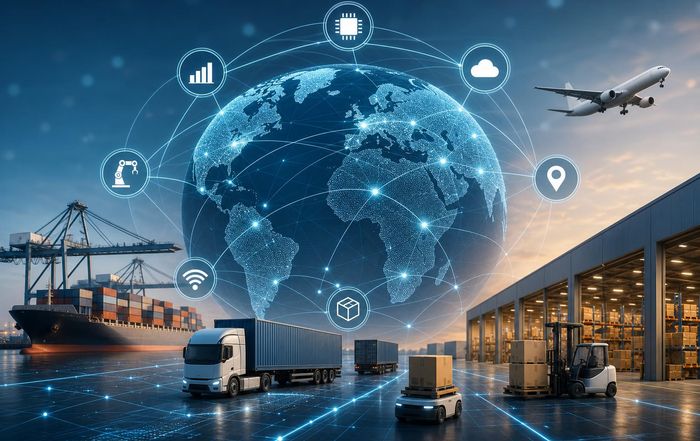
Unlike traditional linear supply chains, intelligent supply networks are characterized by dense webs of interconnected partners, embedded sensors, algorithmic decision-making, and data-rich workflows that extend from raw material extraction to end-of-life product recovery. Executives monitoring global economic conditions can deepen their understanding of these developments through resources such as the World Bank's global logistics indicators on the World Bank website, which illustrate how infrastructure quality and digital readiness are shaping trade flows between the United States, Europe, and emerging markets. For 24/7 returning loyal readers of UpBizInfo, which is committed to connecting business insights with broader macroeconomic perspectives on its economy and world channels, intelligent supply networks represent a pivotal theme that will influence corporate performance and national competitiveness over the next decade.
From Linear Supply Chains to Intelligent, Adaptive Networks
The shift from static supply chains to intelligent, adaptive networks has been driven by three overlapping forces: the digitization of physical assets, the increasing volatility of global markets, and the maturation of AI-enabled decision systems. Over the past several years, leading logistics providers and manufacturers in countries such as Germany, Japan, South Korea, and the United States have embedded Internet of Things sensors into factories, warehouses, vehicles, and even individual products, creating a continuous stream of operational data. Organizations like DHL and Maersk have publicly documented their investments in digital platforms and control towers, and interested executives can review industry-wide developments via the World Economic Forum's analysis of supply chain digitalization on the World Economic Forum site.
This digital foundation has been stress-tested by a series of systemic shocks, including pandemic disruptions, geopolitical tensions, trade realignments, and climate-related events that have affected ports, rail networks, and manufacturing hubs from China and Southeast Asia to Europe and North America. As a result, boards and C-suites have elevated supply resilience to a strategic priority on par with revenue growth and innovation. For businesses following the evolving risk landscape on UpBizInfo's updated business and markets pages, it has become clear that traditional approaches based on safety stock and single-sourcing are no longer sufficient. Instead, intelligent networks leverage predictive analytics, scenario modeling, and automated response mechanisms to reconfigure sourcing, production, and distribution in near real time.
The Role of AI, Data, and Predictive Analytics
At the heart of intelligent supply networks lies the capacity to transform vast quantities of operational data into actionable insight and automated decisions. AI and machine learning models now forecast demand patterns at granular levels, optimize inventory across distributed locations, and dynamically adjust transportation routes based on weather, congestion, and geopolitical events. Companies like IBM, Microsoft, and Google Cloud have built specialized platforms for supply chain optimization, and executives can explore high-level overviews of these capabilities on the IBM supply chain page and similar resources from other providers.
For the UpBizInfo online audience, which closely monitors the evolution of artificial intelligence through dedicated new coverage on AI and automation, the strategic question is no longer whether AI will be embedded in supply networks, but how quickly organizations can build the capabilities, governance, and trust structures required to deploy these tools at scale. Enterprises in the United States, Canada, the United Kingdom, and Singapore are increasingly adopting AI-driven control towers that integrate data from enterprise resource planning systems, logistics providers, and external data feeds such as macroeconomic indicators and commodity prices. Those seeking to deepen their technical understanding can review foundational resources from MIT Sloan and Stanford on data-driven operations, available through the MIT Sloan Management Review and the Stanford Graduate School of Business website.
Predictive analytics also plays a critical role in financial planning and risk management. Banks and corporate treasuries leverage advanced models to forecast cash flow implications of supply disruptions, while insurers increasingly use supply chain data to price risk. Readers tracking financial sector implications via UpBizInfo's banking and investment sections will recognize that intelligent supply networks are changing how lenders evaluate working capital requirements, how private equity firms assess operational resilience in portfolio companies, and how institutional investors view exposure to specific geographies and sectors.
Banking, Trade Finance, and the Liquidity Backbone of Supply Networks
No intelligent supply network can function effectively without a robust financial infrastructure that supports cross-border payments, trade finance, and risk mitigation. International banks and fintech innovators are digitizing letters of credit, supply chain finance programs, and receivables financing, integrating them directly into procurement and logistics platforms. Organizations such as HSBC, Citigroup, and Standard Chartered have been early movers in digital trade finance, and business leaders can study broader trends in this space on the Bank for International Settlements website, which provides analysis of global payment systems and trade-related financial flows.
For businesses operating across Europe, Asia, and North America, the evolution of intelligent supply networks is tightly linked to the modernization of banking rails, including real-time payment systems, ISO 20022 messaging standards, and the integration of digital identity frameworks. UpBizInfo's carefully researched coverage of banking innovation on its banking insights and technology pages positions these developments within a broader narrative of financial inclusion, regulatory modernization, and cross-border interoperability. As supply networks become more automated, the ability to trigger financing events based on verified data-such as shipment departures, customs clearance, or proof of delivery-will reshape liquidity management for mid-market exporters in countries like Italy, Spain, and Brazil as well as large multinationals headquartered in the United States, Germany, and Japan.
Employment, Skills, and the Human Dimension of Intelligent Networks
The rise of intelligent supply networks is often discussed through a technological lens, but its most profound impact may be on employment patterns, job design, and workforce skills. Automation in warehouses, ports, and manufacturing plants is already altering the nature of frontline roles in the United States, China, and across Europe, with robotics and AI augmenting human labor rather than simply replacing it in many cases. The International Labour Organization provides a global perspective on how technology is transforming work in logistics and manufacturing through its research on the ILO website, which can be a useful complement to the practical, business-oriented coverage offered by UpBizInfo on employment trends and jobs.
In intelligent supply networks, new roles are emerging in areas such as control tower operations, data stewardship, AI model governance, and cross-functional risk management. These positions require a blend of operations expertise, data literacy, and strategic thinking, which in turn is prompting companies in Canada, Australia, Singapore, and the Nordic countries to invest heavily in reskilling and continuous learning. Universities and executive education providers, including INSEAD and London Business School, have expanded their supply chain and analytics curricula, and professionals can explore program offerings directly on the INSEAD website or similar institutions as they plan their career trajectories in an increasingly data-driven logistics environment.
For founders and executives featured on the founders pages, the human dimension of intelligent supply networks also raises questions about organizational design and leadership. Decision cycles are accelerating, and cross-functional collaboration between procurement, finance, operations, and technology teams is becoming essential. Leaders must balance efficiency gains from automation with commitments to fair labor practices, diversity, and inclusion across global operations, particularly in regions such as Southeast Asia, Eastern Europe, and parts of Africa where labor-intensive manufacturing remains a key driver of employment and social stability.
Founders, Startups, and the New Logistics Innovation Ecosystem
The transformation of supply networks has opened a fertile landscape for startups and scale-ups that address specific pain points in visibility, last-mile delivery, predictive maintenance, and sustainability. Logistics technology hubs have emerged in cities such as Berlin, London, Singapore, and San Francisco, where venture capital firms and corporate investors are backing companies that combine software, hardware, and data analytics to tackle long-standing inefficiencies. Organizations like Flexport, Project44, and FourKites have become prominent examples of this new wave, and observers can follow broader startup funding trends through platforms such as Crunchbase on the Crunchbase site.
For the UpBizInfo audience, which closely tracks entrepreneurial stories and investment flows, intelligent supply networks highlight how founders can build globally relevant businesses from virtually any geography, including emerging innovation centers in India, Brazil, and South Africa. By integrating unique coverage across investment, business innovation, and technology, UpBizInfo is well positioned to showcase how founders are leveraging AI, cloud infrastructure, and cross-border partnerships to create platforms that serve multinational shippers as well as regional logistics providers. These startups are not only optimizing operational performance but also creating new asset-light business models that challenge incumbents in freight forwarding, warehousing, and distribution.
Global Trade, Geopolitics, and Network Resilience
Intelligent supply networks do not operate in a vacuum; they are deeply embedded in the geopolitical and macroeconomic context that shapes trade flows between regions such as North America, Europe, and Asia. Trade policy shifts, sanctions regimes, and industrial strategies-from the United States' reshoring incentives to the European Union's sustainability regulations and China's manufacturing upgrades-are prompting companies to redesign their networks with resilience and optionality in mind. The OECD offers detailed analysis of global trade patterns and policy developments on the OECD trade page, which can help business leaders interpret how regulatory changes in one region ripple through global supply ecosystems.
For readers who rely on UpBizInfo's world and news sections to track geopolitical developments, the key insight is that intelligent supply networks can mitigate but not eliminate geopolitical risk. They can provide earlier warning signals, enable faster reconfiguration of sourcing and logistics, and support more nuanced scenario planning, but they cannot fully offset the structural impact of tariffs, export controls, or regional conflicts. Consequently, many multinational corporations are adopting "China-plus-one" or "Europe-plus-nearshore" strategies, diversifying production across countries such as Vietnam, Thailand, Mexico, and Poland, while leveraging digital tools to orchestrate these more complex footprints. Intelligent networks become the operating system that allows such distributed manufacturing models to function without sacrificing service levels or cost discipline.
Technology Infrastructure: Cloud, 5G, and Edge Computing
The performance and reliability of intelligent supply networks depend heavily on the underlying technology infrastructure, including cloud platforms, 5G connectivity, and edge computing capabilities. Cloud hyperscalers such as Amazon Web Services, Microsoft Azure, and Google Cloud provide scalable compute and storage environments for processing the immense data volumes generated by sensors, enterprise systems, and partner platforms. The Cloud Security Alliance and other industry bodies maintain best practices for securing these environments, and technology leaders can explore guidance on the Cloud Security Alliance website as they design architectures that balance agility with compliance and risk management.
In parallel, the rollout of 5G networks in countries like South Korea, Japan, the United States, and parts of Europe is enabling low-latency communication between autonomous vehicles, drones, and industrial robots, facilitating more synchronized and responsive supply operations. Edge computing, where data is processed near its source rather than in distant data centers, is particularly important for time-critical applications such as quality inspection in factories, real-time routing of delivery fleets, and safety monitoring in warehouses. For companies following technology trends through the trending technology coverage, understanding these infrastructure shifts is essential for evaluating which intelligent supply capabilities are realistically deployable in specific geographies, especially in regions where connectivity remains uneven.
The Intersection of AI, Crypto, and Digital Trade Infrastructure
While the mainstream deployment of intelligent supply networks relies on established technologies, there is growing experimentation at the intersection of AI, distributed ledger technologies, and digital identity frameworks. Some consortia of manufacturers, logistics providers, and financial institutions are piloting blockchain-based systems to enhance traceability, authenticate documents, and automate payment triggers in complex trade flows. Organizations such as TradeLens and initiatives backed by the International Chamber of Commerce have explored how shared ledgers can reduce friction and fraud in global supply chains, and those interested in the broader implications of distributed infrastructure can consult resources from the International Chamber of Commerce.
For readers of UpBizInfo who follow developments in digital assets and decentralized finance through the platform's crypto and markets coverage, the relevant question is how far these technologies will move from pilot projects to production-grade infrastructure by the late 2020s. While speculative crypto trading often dominates headlines, the more consequential long-term story may be the gradual integration of regulated digital currencies, tokenized trade documents, and verifiable credentials into the fabric of intelligent supply networks. These tools could streamline compliance checks, accelerate customs clearance, and enable more inclusive access to trade finance for small and medium-sized exporters in markets such as Africa, Southeast Asia, and Latin America.
Sustainability, Regulation, and Responsible Supply Networks
Intelligent supply networks are also central to the global sustainability agenda, as regulators, investors, and consumers demand greater transparency into environmental and social impacts across value chains. The European Union's Corporate Sustainability Reporting Directive, carbon border adjustment mechanisms, and similar initiatives in the United Kingdom, Canada, and other jurisdictions are compelling companies to measure and disclose emissions not only from their own operations but also from suppliers and logistics partners. The United Nations Global Compact and the Science Based Targets initiative provide guidance on aligning business practices with climate and social goals, accessible via the UN Global Compact website.
To comply with these regulations and meet investor expectations, companies must integrate sustainability metrics into their intelligent supply networks, tracking factors such as carbon intensity of transportation modes, energy sources used by manufacturing partners, and labor conditions in supplier facilities. This aligns closely with the focus on responsible business practices highlighted on UpBizInfo's sustainable business and economy channels, where readers can learn more about sustainable business practices and how they intersect with profitability and risk management. Intelligent networks that embed sustainability data alongside cost and service metrics enable companies to make informed trade-offs and to design greener, more inclusive supply strategies that resonate with consumers in markets as diverse as France, Sweden, South Africa, and New Zealand.
Lifestyle, Consumer Expectations, and the Experience Economy
From the perspective of end consumers, intelligent supply networks manifest as faster, more reliable, and more personalized delivery experiences across e-commerce, retail, and direct-to-consumer brands. Customers in the United States, United Kingdom, Germany, and increasingly in urban centers across Asia and Latin America have come to expect real-time tracking, flexible delivery windows, and low-friction returns, all of which rely on sophisticated orchestration behind the scenes. Market research from organizations such as McKinsey & Company and Bain & Company highlights how logistics performance has become a core component of brand perception, and executives can explore these insights on the McKinsey website.
For UpBizInfo, which also addresses fresh lifestyle and latest consumer trends on its lifestyle and marketing pages, intelligent supply networks are part of a broader shift toward an experience-centric economy in which operational excellence directly influences customer loyalty and lifetime value. Retailers and consumer brands that successfully integrate supply intelligence into their marketing and customer experience strategies can differentiate themselves not only on price and product but also on reliability, transparency, and sustainability, reinforcing the strategic importance of supply networks in boardroom discussions across sectors.
Business Leaders Needs for Today and Beyond
As intelligent supply networks move from early adoption to mainstream deployment, business leaders, investors, and policymakers must navigate a complex set of strategic choices that will shape competitive dynamics through the 2030s. For the global audience of UpBizInfo, spanning founders, corporate executives, financial professionals, and policymakers across continents, several imperatives stand out. Organizations will need to invest in data foundations that ensure accuracy, interoperability, and governance across internal systems and external partners, recognizing that AI and automation are only as effective as the data they consume. They must balance efficiency with resilience, designing networks that can absorb shocks without excessive redundancy, and they must embed sustainability and social responsibility into operational decisions rather than treating them as separate reporting obligations.
In parallel, leaders must cultivate the human capabilities required to manage intelligent networks, from data scientists and automation engineers to supply chain strategists and cross-functional orchestrators. They will need to engage proactively with regulators and industry bodies to shape standards for data sharing, cybersecurity, and ethical AI, drawing on resources from organizations such as the World Trade Organization, which provides ongoing analysis of digital trade and supply chain issues on the WTO website. Ultimately, intelligent supply networks are not merely a technological upgrade; they represent a fundamental reconfiguration of how value is created, shared, and safeguarded in the global economy.
For UpBizInfo, whose big mission is to connect independent insights across business, banking, economy, employment, founders, world affairs, investment, jobs, marketing, markets, technology, lifestyle, AI, crypto, and sustainable business, intelligent supply networks provide a unifying theme that will continue to influence coverage across all sections of the platform. As organizations in the United States, Europe, Asia, Africa, and the Americas adapt to this new era, the ability to interpret and act on developments in intelligent supply networks will be a defining capability for leaders who seek not only to compete but to shape the future of global commerce. Active community readers online here can continue to explore these themes across the ecosystem, starting from the main UpBizInfo homepage, as they position their businesses and careers for the next phase of intelligent, interconnected, and increasingly responsible global supply networks.